
Skip to content

Cryotherapy vs. Infrared Sauna: Which Recovery Tool Actually Fits Your Goal

Cold and heat both work. That’s not the confusing part. The confusing part is that people ask “which one is better” as if there’s a single winner, when the honest answer is that they work through different mechanisms and serve different goals.

Here’s the actual distinction, so you can stop guessing and start choosing based on what you’re actually trying to accomplish.

How Cryotherapy Actually Works

Whole-body cryotherapy exposes you to extreme cold – typically -200°F to -300°F – for two to four minutes. That’s a short, intense stimulus, not a prolonged freeze. The cold triggers vasoconstriction (blood vessels narrowing) at the surface, followed by vasodilation once you warm back up, creating a pumping effect that flushes inflammatory byproducts and metabolic waste from tissue.

It also triggers a release of anti-inflammatory compounds and norepinephrine, which is part of why people report feeling alert and mood-elevated after a session, not just physically recovered.

Best fit for: acute inflammation reduction after intense training, faster recovery turnaround when you need to train again soon, and reducing perceived soreness following high-intensity sessions.

How Infrared Sauna Actually Works

Infrared sauna uses infrared light to heat your body directly, rather than heating the surrounding air the way a traditional sauna does. That means it penetrates tissue at a lower ambient temperature (typically 120-140°F versus 180°F+ in a traditional sauna), making longer sessions more tolerable while still producing significant heat stress at the cellular level.

That heat stress increases blood flow and circulation, raises core temperature in a way that triggers heat shock protein production (which supports cellular repair), and promotes sweating that supports detoxification pathways. Sessions typically run 20-45 minutes, considerably longer than a cryotherapy session, because the mechanism relies on sustained, gradual heat exposure rather than a brief intense stimulus.

Best fit for: chronic muscle tension and stiffness, cardiovascular conditioning (sustained heat exposure elevates heart rate similarly to light cardio), relaxation and stress reduction, and supporting circulation in areas with chronic tightness rather than acute inflammation.

The Actual Decision Framework

If you just finished an intense training session and inflammation or acute soreness is the concern, cryotherapy is the more direct tool – it’s built for rapid, acute recovery turnaround.

If you’re dealing with chronic tension, want a cardiovascular and relaxation benefit combined, or prefer a longer, more meditative recovery session, infrared sauna fits that goal better.

If you’re managing overall training load across a demanding week, many clients use both, strategically – cryotherapy after the hardest sessions for acute recovery, infrared sauna on lighter days for circulation, stress reduction, and chronic tension relief.

What Neither One Replaces

Recovery tools accelerate a process your body is already trying to complete. They don’t replace sleep, they don’t replace adequate protein intake, and they don’t replace actually managing training load sensibly. If you’re chronically under-recovered because of poor sleep or overtraining, cryotherapy and infrared sauna sessions are managing symptoms of a deeper problem, not solving it.

Building Recovery Into an Actual Plan

The most effective use of either therapy isn’t sporadic – it’s built into your broader training and recovery plan based on what your training load and goals actually require, alongside nutrition, sleep, and, where appropriate, complementary tools like compression therapy or hyperbaric oxygen.

Frequently Asked Questions

Can I use cryotherapy and infrared sauna in the same week, or the same day? Yes, many people use both as part of a weekly recovery routine. Using them back-to-back in the same session is less common and not necessary to get benefit from either – spacing them across your week based on training demands works well for most people.

How often should I use cryotherapy or infrared sauna for recovery benefits? This depends on training intensity and goals, but two to three sessions per week of either therapy is a reasonable starting frequency for someone using them to support an active training schedule.

Is one of these better for weight loss? Neither is a primary weight loss tool – infrared sauna’s cardiovascular effect and calorie expenditure during a session are modest compared to actual training. Both support recovery and circulation, which indirectly supports a broader fitness and weight management plan, but neither substitutes for strength training, cardiovascular work, and nutrition.

Not sure which recovery therapy fits your training load? Book a consultation at Atlas BioFitness and we’ll build recovery into your actual plan.
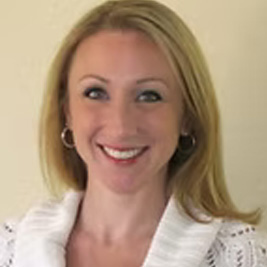
Melissa Anderson

RND, CD

Missy joined OMC in 2013.  She graduated from Seattle Pacific University’s dietetic program and completed her dietetic internship through the University of Delaware. She worked for a year and a half with high-risk WIC clients before transitioning to the Olympia Multi-specialty Clinic. These varied experiences give Melissa a holistic perspective of her patients’ nutrition needs.  Her focus is to promote good health via a whole food diet and regular exercise. 

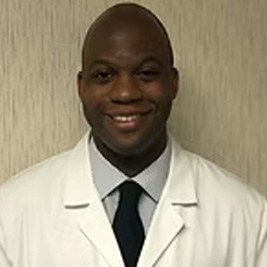
Chike Linton

MD

Dr. Linton joined OMC in 2014. He is board certified in Neurology, Clinical Neurophysiology and Sleep Medicine. He graduated from Tufts University School of Medicine and completed his residency and Fellowship in Neurology and Clinical Neurophysiology at Virginia Commonwealth University Medical Center. He also completed his Fellowship in Sleep Medicine at the University of Iowa Hospitals and Clinics. Dr. Linton provides comprehensive consultation, evaluation and treatment services for a wide range of both sleep-related and neurological disorders.

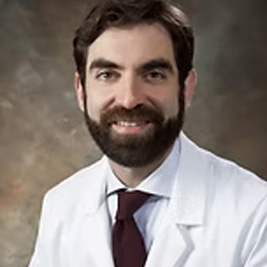
Matthew Berger

MD

Dr. Berger joined Olympia Multi-specialty Clinic as a general Cardiologist in 2016. Dr. Berger graduated from Des Moines University College of Osteopathic Medicine. He then went on to complete his Internal Medicine Residency and Cardiology Fellowship at McLaren Hospital System, Macomb Campus. Dr. Berger has worked extensively as a volunteer participating in global health service missions in Belize and Guatemala. Dr. Berger embarks on his career by providing comprehensive consultation, evaluation and treatment services for a wide range cardiovascular diseases. Dr. Berger is board certified in Internal Medicine and Nuclear Cardiology. 

Dr. Berger is excited to begin treating patients in Olympia and he knows the Pacific Northwest well. Continuing in his father’s footsteps, Dr. Berger is eager to share his expertise and provide cardiovascular care for the community he was raised in.

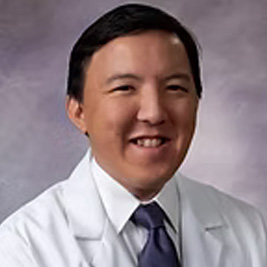
Roger S. Chan

MD

Dr. Chan joined OMC in 2015.  He graduated from the University of California, San Diego School of Medicine. He then went on to complete his residency in Internal Medicine at Rush-Presbyterian St. Luke’s Medical Center in Chicago, IL, and completed his fellowship in Cardiology at Dartmouth-Hitchcock Medical Center.

Dr. Chan previously practiced Cardiology in Centralia, WA and Arizona before relocating back to the northwest.  Dr. Chan provides comprehensive consultation, evaluation and treatment services for a wide range cardiovascular diseases. He is board certified in Internal Medicine, General Cardiology, Echocardiography, and Nuclear Cardiology. He is also a recipient of the American Heart Association’s Heroes Award, 2015.

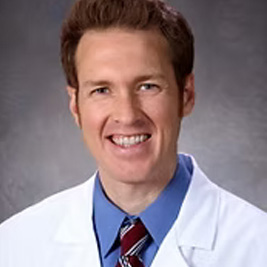
Adam K. Dunn,

MD

Dr. Dunn joined OMC in 2013. He graduated from Loma Linda University School of Medicine and, completed his Internal Medicine Residency and Cardiovascular Disease Fellowship at the Loma Linda University Medical Center. Dr. Dunn then went on to complete his Interventional Cardiovascular Disease Fellowship at The Ohio State University Wexner Medical Center. He treats a wide range cardiovascular diseases and is credentialed to employ all modern interventional techniques. He also performs peripheral and coronary interventions. Dr. Dunn is board certified in Internal Medicine and Cardiovascular Disease.

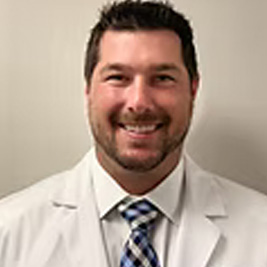
Marshall E. McCabe IV

DO

Dr. Marshall E McCabe IV, an Olympia native, has returned to join his father, Dr. Marshall E McCabe III, who is also a gastroenterologist in our clinic. He completed his Internal Medicine Residency and Gastroenterology Fellowship at Indiana University in Indianapolis, IN , one of the leading centers in GI and liver disease. As chief resident at Indiana University, Dr. McCabe trained other residents in internal medicine. Dr. McCabe is passionate about gastroenterology and also sees patients with fatty liver disease or cirrhosis. He is excited to be back in the community he grew up in and looks forward to providing excellent patient care.

Michelle B. Thompson

DO

Dr. Thompson joined OMC in 2017. She graduated from the Arizona College of Osteopathic Medicine in Glendale, Arizona. During her education, she was awarded a prestigious three-year scholarship where she served an extra year to teach medical students. Dr. Thompson then completed her Internal Medicine residency and Gastroenterology fellowship at Scott and White Memorial Hospital in Temple, Texas.

Dr. Thompson joins OMC with a wide variety of specialized training to include PH Monitoring and Esophageal Motility exams. Dr. Thompson is board certified in both Internal Medicine and Gastroenterology. She brings a unique skill set while also performing diagnostic and screening endoscopies. A native to Washington herself, Dr. Thompson is excited to treat patients in Thurston County and surrounding communities.

Darien Heap

MD

Dr. Heap joined OMC in 2005 and is a native Washingtonian. He received his BA from Washington University, in Saint Louis, in Biochemistry and Molecular Biology. He received his MD from Saint Louis University School of Medicine. He completed his Internship, Residency, and Fellowship at the University of Illinois Medical Center. He is Board Certified in Internal Medicine and Gastroenterology/Hepatology. In addition to diagnostic and therapeutic endoscopy he also practices advanced endoscopy, including endoscopic ultrasound and capsule endoscopy.

John Kuczynski

MD

Dr. Kuczynski joined OMC in August of 2011.  He graduated from Southern Illinois University School of Medicine and subsequently completed his residency in Internal Medicine and his fellowship in Gastroenterology at the University of Arizona.  He is board certified in Internal Medicine and Gastroenterology/Hepatology. Dr. Kuczynski treats a wide range of gastrointestinal diseases, while also performing diagnostic and screening endoscopies, capsule endoscopy and ERCP.

Marshall E. McCabe III

MD

Dr. McCabe was one of the founders of OMC, helped establish the group in 1987, and has acted as the clinic’s physician manager since its founding. He received his undergraduate degree from Duke University, and attended Medical School at the University of North Carolina at Chapel Hill. He completed his Internship and Residency in Internal Medicine at Fitzsimons Army Medical Center and Fellowship in Gastroenterology at Walter Reed Army Medical Center. He is board certified in Internal Medicine and Gastroenterology. He has retired from the active practice of Gastroenterolgy and is focusing on his duties as the Clinic’s Medical Director and currently is filling in at the Sleep Clinic pending a replacement for Dr Linton.

Kim Tillinghast

Principal, Partner

Kim Tillinghast began her career in the banking industry in 1985. She graduated with a degree in Finance from West Texas State University in 1990 and has continued her education by earning her Series 24 General Securities Principal Exam and Certified Plan Fiduciary Advisor (CPFA™). Shortly thereafter she started her brokerage career at a traditional wirehouse in downtown Los Angeles, California in 1991. After relocating to Orange County, Kim became an independent financial advisor in May of 1993. She brings over 37 years in the banking and finance industry with experience ranging from designing, developing, employing and maintaining complex investment strategies, Pension Plans, Employee Stock Option Plans, Corporate Finance, Estate Planning and Transition. Outside of her career, she served as Co-Chair of the Dallas County Susan G. Komen Race for the Cure 2013 and 2014 and currently serves on the Board of the Tillinghast Society, Inc. With a deep love for animals, she continues to volunteer for multiple emergency animal response teams including Red Rover, HSUS, UAN, ASPCA and volunteers weekly at the Irving Animal Shelter. Kim also loves worldwide adventure travel and has many amazing experiences visiting almost half of the world’s countries and all seven continents, twice.

Karthik Muraliraj

CFP®, ChFC®, CLU®, RMA®, Partner

Karthik Muraliraj was raised in Fort Worth, Texas, and developed an interest in investing and economics at a young age. After graduating from the University of Texas at Austin with a Bachelor of Arts in Economics and a minor in Business, he started his career as a financial professional in 2008. Throughout his career, Karthik has continued to educate himself by gaining multiple designations. Since moving to Dallas, he has been an active member in the community—volunteering with organizations such as the network of Indian Professionals, Dallas Autumn Ball and Reading Partners. Karthik is an avid sports fan and enjoys supporting his alma mater as a proud member of the Texas Exes Dallas Chapter. In his free time, Karthik enjoys cooking, travel, fitness and spending time with this wife, son, dog, and cat.

Crystal Arredondo

MBA, CDFA®, CPFA™, Partner

Crystal Arredondo was born and raised in Germany. She moved to Texas following her parents’ decision to retire after serving an overseas career in the Armed Forces. Seeing firsthand the difficult transition to civilian life after retirement, Crystal obtained her MBA in Finance at the University of North Texas and began her career as a financial advisor. In 2009, she completed the Retirement Planning Specialist Program at the Wharton School of Business, University of Pennsylvania. In 2018, she earned her designation of Certified Divorce Financial Analyst® (CDFA®). In 2022, she earned the additional designation as a Certified Plan Fiduciary Advisor (CPFA™). As the daughter of an immigrant mother, she especially enjoys helping women and business owners make decisions that affect their financial independence. She served as the 2015-16 Chair for the National Association of Women Business Owners (NAWBO) and 2016-17 Chair for the NAWBO Institute of Entrepreneurial Development.

Philip Strunk

CFP®, CPA, Partner

Philip Strunk is a native of Houston, TX. Philip earned his Bachelor of Business Administration and Masters in Professional Accounting from the University of Texas at Austin’s McCombs School of Business. He earned his designation as Certified Public Accountant (CPA) in 2004 and CERTIFIED FINANCIAL PLANNER (TM) certification in 2010. Having started his career with Deloitte & Touche, LLP in 2005, Philip spent a year and a half in Deloitte’s Audit and Assurance Services group and provided a variety of financial services for a number of Fortune 500 companies. He decided in late 2006 that his talent and passion for investments were best suited for working with smaller groups and individuals. After obtaining the required securities registrations and insurance licenses, Philip became a financial advisor. The impact was plainly visible and more fulfilling. Philip serves as the Investment Director for MPACT.

John C. Farris

CAP®, CFS®, Partner

John C. Farris is a founding partner and has more than forty years in both public and private business serving in a variety of management and leadership capacities. John completed the Retirement Planning Specialist Program at the Wharton School of Business at the University of Pennsylvania earning the Retirement Planning Specialist designation. John and his family have a history of philanthropic giving through numerous non-profit organizations. John recently completed his designation as a Chartered Advisor in Philanthropy® (CAP®). He is also a member of The International Association of Advisors in Philanthropy. His primary goal is to help people give intelligently with love and thereby experience the true joy of helping others. John lives in Park Cities and has served on the Public Works Advisory Council, as finance director of the BSA West Park District, the BSA Troop 82 Executive Board, and as a BSA Assistant Scoutmaster for Troop 82, Dallas, Texas.