GLP-1 (glucagon-like peptide-1) is a naturally occurring gut hormone released after eating. It signals the brain to reduce hunger, slows gastric emptying to increase satiety, and regulates insulin secretion — all key levers for body weight and metabolic health.
GLP-1 receptor agonists like semaglutide and tirzepatide mimic and amplify this signal with sustained precision. In landmark clinical trials, participants lost an average of 15–20% of total body weight — results that far exceed traditional diet and exercise alone.
At Atlas BioFitness, GLP-1 therapy is never standalone. It is integrated into a medically supervised program that includes DEXA body composition tracking, nutritional guidance, and strength training — ensuring you lose fat, not muscle, and build the foundation for lasting metabolic health.
Everything the Protocol Delivers
Neurological Appetite Suppression
GLP-1 agonists act directly on hypothalamic receptors, reducing hunger signals at the source. Cravings diminish — not through willpower, but through recalibrated neurobiology.
Sustained Fat Loss
Clinical trials show 15–20% total body weight loss over 68 weeks. Unlike crash diets, GLP-1 therapy produces steady, measurable fat reduction with minimal lean mass loss when paired with resistance training.
Metabolic & Glycemic Control
GLP-1 therapy improves insulin sensitivity, lowers fasting glucose, and reduces HbA1c — critical markers for long-term metabolic health and disease prevention regardless of diabetes status.
Cardiovascular Risk Reduction
Beyond weight loss, GLP-1 agonists are associated with significant reductions in major adverse cardiovascular events — lowering blood pressure, triglycerides, and inflammatory markers systemically.
DEXA-Tracked Body Composition
Every Atlas GLP-1 protocol includes baseline and interval DEXA scans. You see exactly what you’re losing — fat mass vs. lean mass — so we can optimize dosing, nutrition, and training in real time.
Medically Supervised Protocol
Your program is designed and monitored by a physician. Dosing is titrated over time to maximize efficacy and minimize side effects. Ongoing check-ins ensure your protocol adapts as your body changes.
GLP-1 therapy is clinically indicated for adults with a BMI of 30 or above, or a BMI of 27 or above with a weight-related health condition such as type 2 diabetes, hypertension, or sleep apnea. At Atlas, we conduct a thorough intake evaluation to confirm suitability and rule out contraindications. A consultation with your Atlas clinician is the best way to determine if this protocol is right for you.
Semaglutide (Ozempic/Wegovy) is a GLP-1 receptor agonist that mimics the GLP-1 hormone. Tirzepatide (Mounjaro/Zepbound) is a dual agonist that activates both GLP-1 and GIP receptors, producing modestly greater average weight loss in head-to-head comparisons. Your Atlas physician will review your health history, goals, and any prior medication experience to recommend the most appropriate agent and starting dose.
The most common side effects are gastrointestinal — nausea, mild vomiting, constipation, or diarrhea — and are most pronounced during the dose escalation phase. These typically resolve as the body adjusts. Slow titration, dietary adjustments, and timing of injections all help minimize discomfort. Rare but serious risks include pancreatitis and, in patients with a personal or family history of thyroid cancer, thyroid tumors — your clinician will screen for these during intake.
Tirzepatide is administered by a small injection into your fat every week. Semaglutide can also be administered by a weekly shot but recently a once a pill form was released.
Most patients notice meaningful appetite suppression within the first 2–4 weeks. Measurable weight loss typically becomes evident at the 4–8 week mark as dosing escalates to a therapeutic level. The greatest body composition changes occur between months 3 and 6. DEXA scans at 12-week intervals give you a precise, data-driven view of your progress at every stage of the protocol.
Yes. Atlas offers bundled GLP-1 program packages that include monthly medication management, DEXA body composition scans at key intervals, nutritional coaching, and optional access to personal training and VO₂ Max testing. Financing is available up to $30,000. Ask at the front desk or during your consultation for current program pricing and bundle options.
Missy joined OMC in 2013. She graduated from Seattle Pacific University’s dietetic program and completed her dietetic internship through the University of Delaware. She worked for a year and a half with high-risk WIC clients before transitioning to the Olympia Multi-specialty Clinic. These varied experiences give Melissa a holistic perspective of her patients’ nutrition needs. Her focus is to promote good health via a whole food diet and regular exercise.
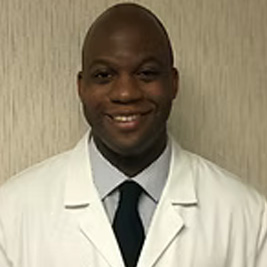
Dr. Linton joined OMC in 2014. He is board certified in Neurology, Clinical Neurophysiology and Sleep Medicine. He graduated from Tufts University School of Medicine and completed his residency and Fellowship in Neurology and Clinical Neurophysiology at Virginia Commonwealth University Medical Center. He also completed his Fellowship in Sleep Medicine at the University of Iowa Hospitals and Clinics. Dr. Linton provides comprehensive consultation, evaluation and treatment services for a wide range of both sleep-related and neurological disorders.
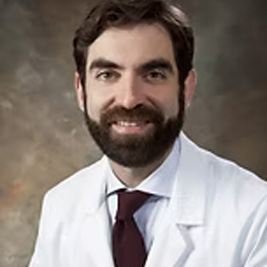
Dr. Berger joined Olympia Multi-specialty Clinic as a general Cardiologist in 2016. Dr. Berger graduated from Des Moines University College of Osteopathic Medicine. He then went on to complete his Internal Medicine Residency and Cardiology Fellowship at McLaren Hospital System, Macomb Campus. Dr. Berger has worked extensively as a volunteer participating in global health service missions in Belize and Guatemala. Dr. Berger embarks on his career by providing comprehensive consultation, evaluation and treatment services for a wide range cardiovascular diseases. Dr. Berger is board certified in Internal Medicine and Nuclear Cardiology.
Dr. Berger is excited to begin treating patients in Olympia and he knows the Pacific Northwest well. Continuing in his father’s footsteps, Dr. Berger is eager to share his expertise and provide cardiovascular care for the community he was raised in.
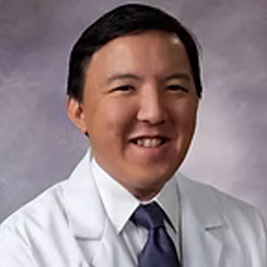
Dr. Chan joined OMC in 2015. He graduated from the University of California, San Diego School of Medicine. He then went on to complete his residency in Internal Medicine at Rush-Presbyterian St. Luke’s Medical Center in Chicago, IL, and completed his fellowship in Cardiology at Dartmouth-Hitchcock Medical Center.
Dr. Chan previously practiced Cardiology in Centralia, WA and Arizona before relocating back to the northwest. Dr. Chan provides comprehensive consultation, evaluation and treatment services for a wide range cardiovascular diseases. He is board certified in Internal Medicine, General Cardiology, Echocardiography, and Nuclear Cardiology. He is also a recipient of the American Heart Association’s Heroes Award, 2015.
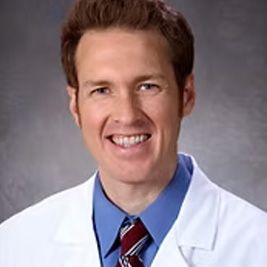
Dr. Dunn joined OMC in 2013. He graduated from Loma Linda University School of Medicine and, completed his Internal Medicine Residency and Cardiovascular Disease Fellowship at the Loma Linda University Medical Center. Dr. Dunn then went on to complete his Interventional Cardiovascular Disease Fellowship at The Ohio State University Wexner Medical Center. He treats a wide range cardiovascular diseases and is credentialed to employ all modern interventional techniques. He also performs peripheral and coronary interventions. Dr. Dunn is board certified in Internal Medicine and Cardiovascular Disease.
Dr. Heap joined OMC in 2005 and is a native Washingtonian. He received his BA from Washington University, in Saint Louis, in Biochemistry and Molecular Biology. He received his MD from Saint Louis University School of Medicine. He completed his Internship, Residency, and Fellowship at the University of Illinois Medical Center. He is Board Certified in Internal Medicine and Gastroenterology/Hepatology. In addition to diagnostic and therapeutic endoscopy he also practices advanced endoscopy, including endoscopic ultrasound and capsule endoscopy.
Dr. Kuczynski joined OMC in August of 2011. He graduated from Southern Illinois University School of Medicine and subsequently completed his residency in Internal Medicine and his fellowship in Gastroenterology at the University of Arizona. He is board certified in Internal Medicine and Gastroenterology/Hepatology. Dr. Kuczynski treats a wide range of gastrointestinal diseases, while also performing diagnostic and screening endoscopies, capsule endoscopy and ERCP.
Philip Strunk is a native of Houston, TX. Philip earned his Bachelor of Business Administration and Masters in Professional Accounting from the University of Texas at Austin’s McCombs School of Business. He earned his designation as Certified Public Accountant (CPA) in 2004 and CERTIFIED FINANCIAL PLANNER (TM) certification in 2010. Having started his career with Deloitte & Touche, LLP in 2005, Philip spent a year and a half in Deloitte’s Audit and Assurance Services group and provided a variety of financial services for a number of Fortune 500 companies. He decided in late 2006 that his talent and passion for investments were best suited for working with smaller groups and individuals. After obtaining the required securities registrations and insurance licenses, Philip became a financial advisor. The impact was plainly visible and more fulfilling. Philip serves as the Investment Director for MPACT.